

Entrepreneur Magazine

Spotlight on The Profit at NBC
USPS Innovation Award 2023
We've streamlined and automated the direct mail process to save you time and money.
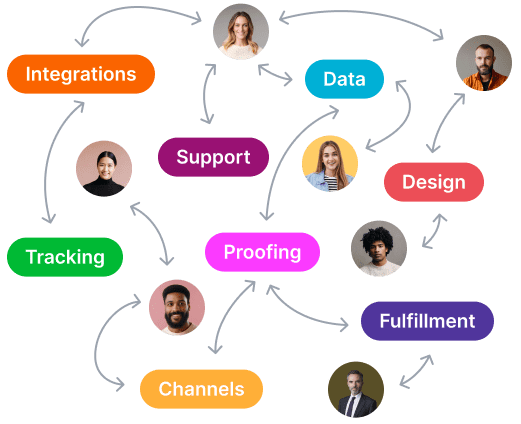
Takes days or weeks

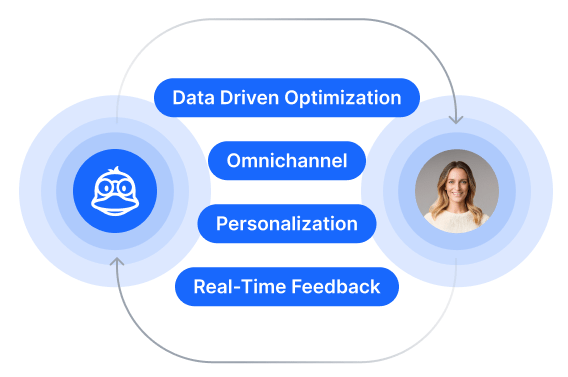
Takes minutes
Choose the plan that’s right for you.
Save up to 15% with yearly billing
 Users 5 Users 5 |
||
| SOC2 Type 2 |
||
| Landing page |
||
| Email support |
||
| No code editor |
||
| Template library |
||
| Meta integration |
||
| Reporting dashboard |
||
| Unlimited campaigns |
||
| USPS track and trace |
||
| USPS informed delivery |
||
| Alerts and notifications |
||
| Print and Postage | ||
|---|---|---|
| 1st class | Standard | |
| 4×6 |
.81 | |
| 6×9 |
.83 | |
| 6×11 |
.84 | .77 |
| Letter 1 page |
1.03 | .83 |
| Letter 2 page |
1.06 | .86 |
| Add Ons | ||
| Dynamic QR Codes |
||
| Domain |
||
| Email Deployment |
||
| SMS |
||
| MMS |
||
| Call Tracking |
||
| Address Verification |
||
| Email Verification |
||
| Email Appends |
||
| Address Appends |
||
| MAID Appends |
||
View More
| Users Unlimited |
||
| SOC2 Type 2 |
||
| Landing page |
||
| Email support |
||
| No code editor |
||
| Web to print |
||
| Sub accounts |
||
| Meta integration |
||
| Reporting dashboard |
||
| Unlimited campaigns |
||
| USPS track and trace |
||
| Alerts and notifications |
||
| Print and Postage | ||
|---|---|---|
| 1st class | Standard | |
| 4×6 |
.71 | |
| 6×9 |
.73 | |
| 6×11 |
.74 | .67 |
| Letter 1 page |
.93 | .73 |
| Letter 2 page |
.96 | .76 |
| Add Ons | ||
| Dynamic QR Codes |
||
| Domain |
||
| Email Deployment |
||
| SMS |
||
| MMS |
||
| Call Tracking |
||
| Address Verification |
||
| Email Verification |
||
| Email Appends |
||
| Address Appends |
||
| MAID Appends |
||
| White label |
||
View More
Custom contract and pricingDedicated account managerPriority supportOne unified place to protect, validate, enrich, and segment your data.
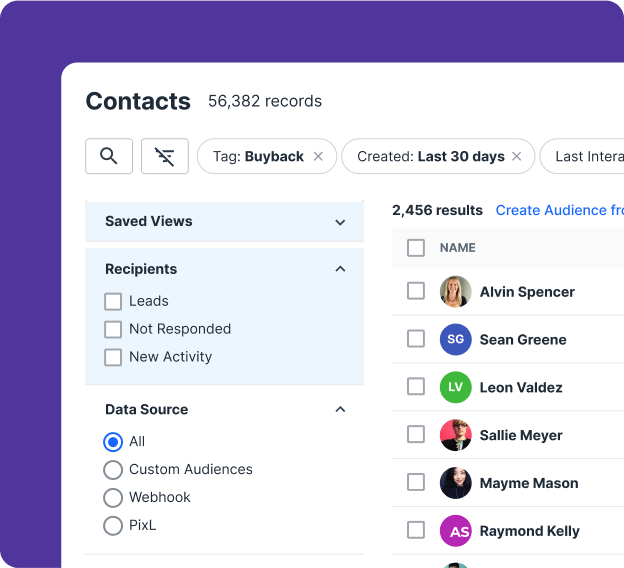
Email Appends, Address Appends, and MAID Appends
Email Validation, Address Validation, and Phone Validation, Dedupe, and Supression
Webhook, API, and SFTP Data Automation
Consumer Data, Business Data, New Mover Data, and Automotive Data
SOC2 Type 2


McKinsey & Company
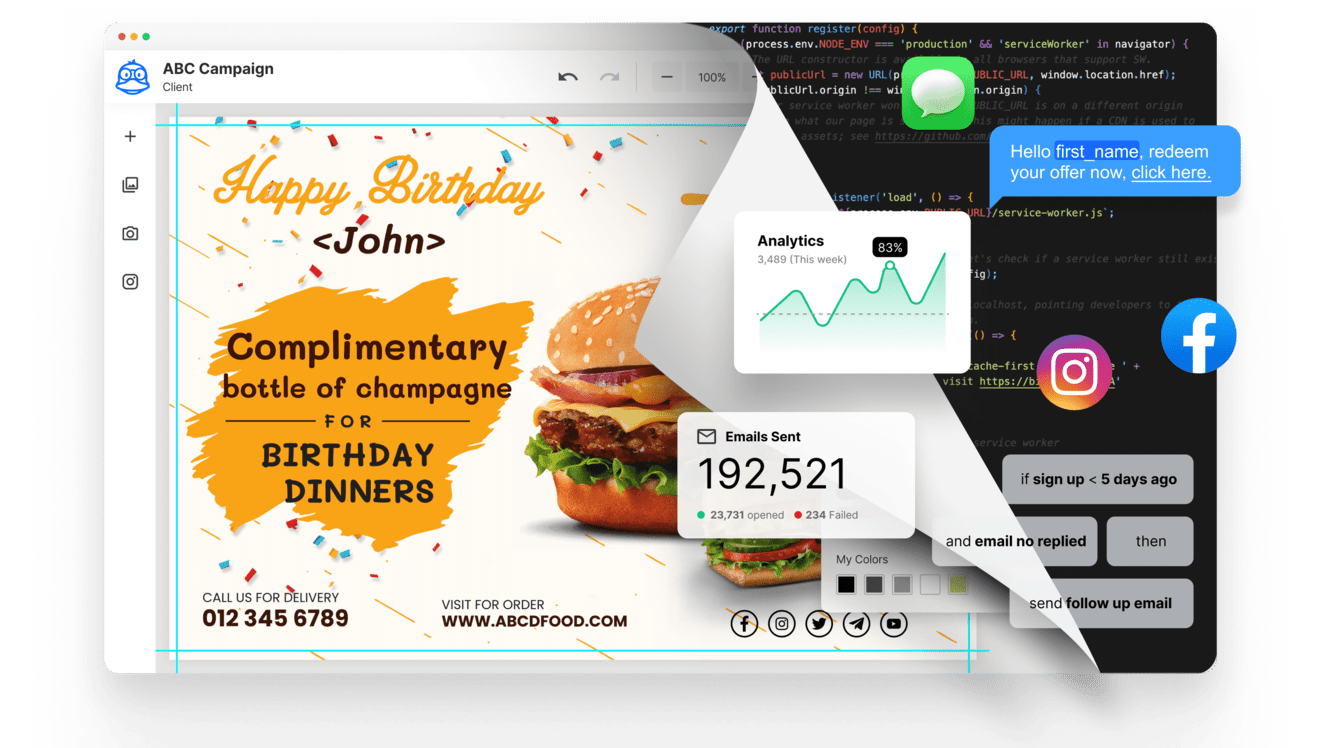
Direct mail made effortless, as easy as sending an email.
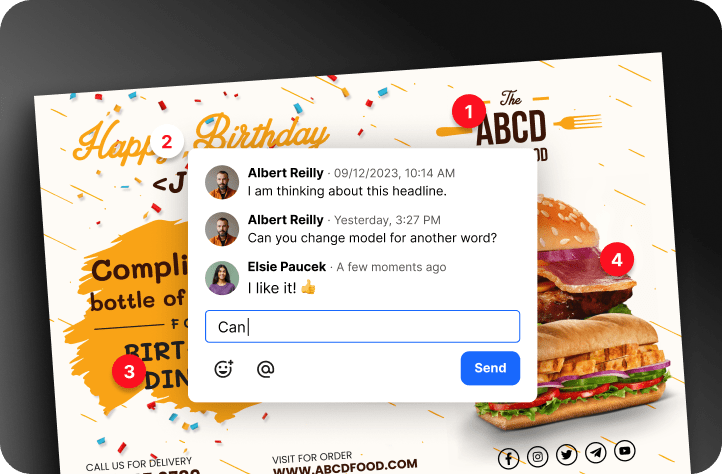
Review designs and make adjustments before sending to print.
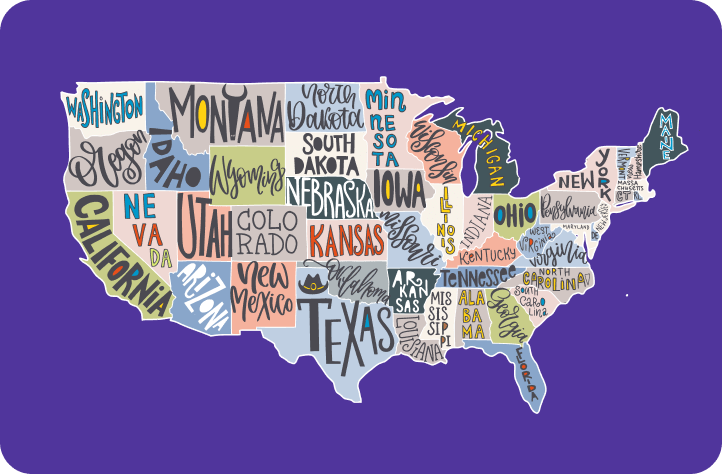
Nationwide printer integration.
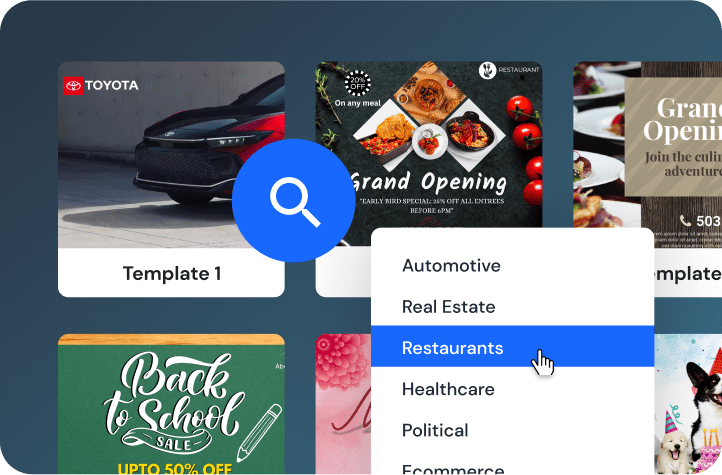
We’ve included multiple templates per industry designed by experts.
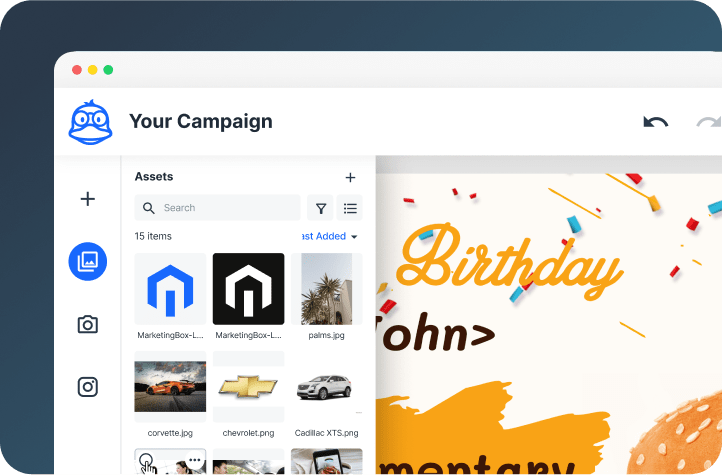
Create professional designs without coding knowledge.

Tailor messages and content to individual recipients.

Bridge the gap between print and digital experiences.
Marketing Sherpa
Enhance your direct mail with integrated digital channels like email, SMS, Meta and Informed Delivery.


Campaigns involving print and sms generate up to 50% higher ROI.
Adding email can lead to a 49% sales lift and a 125% increase in inquiries.
Integrating Meta with direct mail generates up to a 30% higher response.
Generate a 63.9% open rate and 26.8% click through rate.
McKinsey & Company
A real-time dashboard enables a comprehensive understanding of the entire direct mail
process from creation to delivery, response, and ROI.

Gain visibility into the entire process. From beginning to end, we keep you informed.

Know where your calls are coming from and optimize your spend.
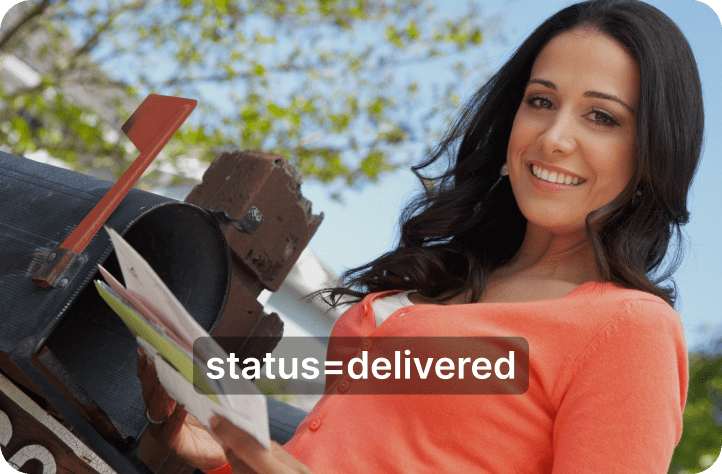
Mail tracking to insure your mail is delivered and on time.

We measure everything so you can understand what’s working and what’s not.

We make it easy to run ROI reports so you can adjust and reload.
Marketing automation in a direct mail system enhances operational efficiency, personalizes customer interactions, and ensures consistent and timely communication.
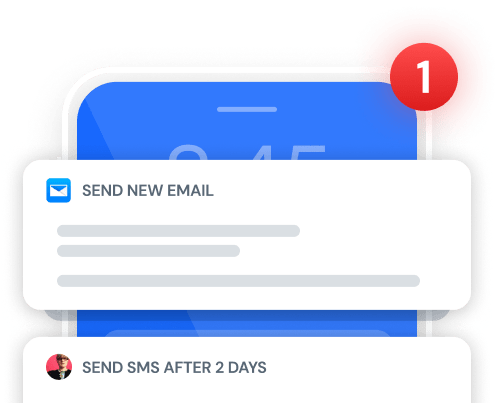
Never lose important info from any lead. Get easy reminders, notifications, new movers, birthdays, etc.
Turn anonymous website visitors into actionable leads and increase lead conversion by 50%.

DirectMail.io has it all, some of our main features are:

Automatically send SMS replies to Facebook leads to increase results.

Easily connect to external systems through webhooks, API or SFTP.

Our landing pages and funnels support variable data, imaging and video.

Instant alerts and reminders for timely follow up.

Easy to use, faster designs, reduced errors.

Our knowledge base provides tips and tricks and guides you through the process.

Surveys are a great way to segment audiences for better targeting.

Easily connect all marketing channels for the best insights.

In-browser proofing streamlines the direct mail workflow.

Append missing attributes like email, postal and MAID’s.

Email validation, address validation, phone validation.

Consumer data, business data, new mover data, automotive data.

Data privacy is our #1 concern and we are SOC2 Certified.

Personalized QR codes provide a 1:1 experience and higher conversions.

Send stand alone emails or use as part of an omnichannel campaign.

Send SMS or MMS as part of your direct mail promotion to increase response.

Easily connect your mailing list as a custom audience in Meta.

Our complimentary Informed Delivery reaches 30% of the addressable market.

Insure full process visibility, keeping you informed throughout.

Mail tracking to insure
your mail is delivered and
on time.

Know where your calls are coming from and optimize your spend.

We measure everything so you can understand what’s working and what’s not.

We make it easy to run ROI reports so you can adjust and reload.

Reminders, notifications, new movers, and birthdays.

Target High Intent Website Visitors for increased ROI and data capture.

1:1 messaging always increases performance and ROI.

We utilize a nationwide network of print facilities for fast and efficient delivery.
DirectMail.io is redefining the landscape of direct mail marketing. With 20 years of dedicated service and innovation in the direct mail industry, our journey is marked by prestigious recognition, including features in Deliver and Entrepreneur Magazines, a spotlight on ‘The Profit’, and the distinguished USPS Innovation Award at the National Postal Forum.
Our commitment to excellence is the cornerstone of our service, insuring your direct mail campaigns achieve unparalleled success. Our innovative platform is designed to cater to the diverse needs of printers, marketing agencies, and businesses of all sizes. Embrace the future of direct mail with DirectMail.io, where functionality meets flexibility.


®2024 DirectMail.io. All Rights Reserved